
PEMF Therapy For Horses: Precautions, Safety Considerations, And Best Practices
Feb 25, 2026
This guide is designed to help horse owners, equine therapists, and veterinary professionals navigate the practical and safety considerations of equine PEMF therapy with confidence.
What Is PEMF Therapy for Horses?
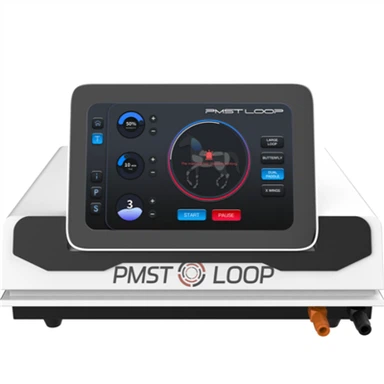
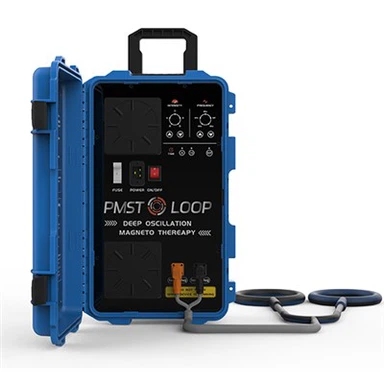
PEMF therapy delivers low-frequency electromagnetic pulses to the body's tissues. These pulses are thought to interact with cells at a biological level, supporting processes such as circulation, cellular repair, and inflammation regulation. In horses, PEMF devices typically come in the form of blanket-style wraps, localized applicator loops, or leg wraps that can be applied to specific areas of the body.
Unlike surgical or pharmaceutical interventions, PEMF is a non-invasive, drug-free modality. It does not generate significant heat and is generally well tolerated by horses. Many equine therapists use it as part of a broader rehabilitation or maintenance protocol rather than as a standalone treatment.
It's worth noting that while there is a growing body of research supporting the use of PEMF in human and veterinary medicine, equine-specific clinical evidence continues to develop. Responsible use involves understanding both what PEMF can reasonably offer and what falls outside its scope.
When Is PEMF Therapy Beneficial for Horses?
Equine PEMF therapy is commonly used to support recovery and general wellbeing in a variety of situations, including:
Musculoskeletal conditions: Horses experiencing muscle soreness, back tension, or soft tissue strain may benefit from regular PEMF sessions as part of a structured recovery plan.
Post-exercise recovery: Many performance horse owners and trainers use PEMF after intense training or competition to support muscle recovery and reduce next-day stiffness.
Joint health and mobility: Older horses or those with degenerative joint conditions are often managed with PEMF as a complementary approach alongside veterinary-prescribed treatment.
Pre-event preparation: Some equine therapists use PEMF before exercise as a warm-up tool to encourage circulation and tissue pliability.
Post-surgical rehabilitation: Under veterinary guidance, PEMF can be incorporated into a rehabilitation programme following surgery or injury to support tissue healing.
It is important to understand that PEMF therapy is generally considered a supportive modality. It is not a replacement for veterinary diagnosis, medical treatment, or appropriate exercise programmes.
Safety Considerations for Equine PEMF Therapy
Equine PEMF therapy is widely regarded as safe when used correctly, but there are important considerations that every user should be aware of before beginning treatment.
Device Quality and Settings
Not all PEMF machines for horses are created equal. Using a device with appropriate frequency ranges, intensity controls, and safety certifications relevant to veterinary use is critical. Always follow the manufacturer's guidelines for your specific device, and avoid purchasing equipment without clear technical specifications or support documentation.
Intensity settings should generally be started low and gradually increased based on the horse's response and the therapist's experience. Higher intensity does not always mean better results.
Horse Behaviour and Monitoring
Horses are highly sensitive animals, and individual responses to PEMF therapy can vary considerably. Always monitor the horse closely during sessions, particularly when using the device for the first time. Signs of discomfort, anxiety, unusual behaviour, or withdrawal should be taken seriously. If a horse consistently shows signs of distress during treatment, discontinue use and consult your veterinarian.
Experienced handlers should be present, especially during initial sessions, to ensure the horse remains calm and restrained appropriately if needed.
Environmental Safety
Keep PEMF equipment away from electronic devices that could be affected by electromagnetic fields, including pacemakers in nearby human handlers. Ensure cables and applicators are properly maintained and free from damage before each use.
Contraindications: When PEMF Should Not Be Used
Understanding when not to use PEMF therapy is just as important as knowing when it is appropriate. The following are generally recognised contraindications for equine PEMF use:
Active infections or fever: Do not apply PEMF therapy over areas of active infection, or to horses presenting with systemic fever, as electromagnetic stimulation may potentially exacerbate inflammatory processes in these contexts.
Cancer or suspected neoplasia: PEMF should not be applied over areas where cancer is known or suspected, as electromagnetic fields may theoretically influence cell proliferation.
Open wounds: Avoid direct application of PEMF devices over open wounds, recent surgical incisions, or areas of compromised skin integrity unless specifically directed by a veterinary professional.
Implanted electronic devices: Horses fitted with any form of implanted electronic medical device should not receive PEMF therapy without prior veterinary approval.
Pregnancy: The use of PEMF therapy over the abdomen of a pregnant mare is generally not recommended, as the effects on the developing foal are not well established.
Fractures with implants: Exercise significant caution when considering PEMF near metal implants. While some evidence suggests PEMF can support bone healing, it should only be used in these cases under direct veterinary supervision.
If you are unsure whether a horse is an appropriate candidate for PEMF therapy, always seek veterinary clearance first.
Practical Usage Tips for PEMF Therapy
Getting the most from your PEMF machine for horses comes down to consistent, informed application. Here are some practical guidelines:
Ensure good contact: PEMF applicators should be positioned as close to the treatment area as possible. Use appropriate blankets or loops designed for equine anatomy to ensure even coverage.
Keep the horse relaxed: A tense or anxious horse will not benefit as effectively from treatment. Allow time for the horse to settle before beginning a session. Grooming or quiet standing time prior to treatment can help.
Document your sessions: Keep a simple log of treatment dates, areas treated, device settings used, and any changes in the horse's condition or behaviour. This record is invaluable for tracking progress and sharing with your veterinarian.
Work within a care team: PEMF therapy works best as part of a coordinated approach involving your veterinarian, physiotherapist, farrier, and trainer. Communication between all parties ensures treatment plans are aligned.
Common Mistakes to Avoid
Even well-intentioned users can make errors that reduce effectiveness or create unnecessary risk. Watch out for these common pitfalls:
Over-treating: More is not always better. Excessive or overly frequent PEMF sessions may not improve outcomes and could contribute to unnecessary tissue stimulation. Always adhere to recommended session durations.
Skipping veterinary diagnosis: PEMF should not be used as a diagnostic shortcut. A horse showing lameness, pain, or unusual symptoms needs proper veterinary assessment before any therapeutic intervention begins.
Using the wrong device for the condition: Different PEMF devices have different capabilities. A general wellness device may not be appropriate for a horse recovering from surgery. Match the device to the clinical need.
Ignoring the horse's feedback: Horses communicate discomfort in subtle ways. Pinned ears, muscle tension, reluctance, or restlessness during treatment are signals worth heeding, not overriding.
How Often Should You Use PEMF on Horses?
One of the most common questions is: how often should you use PEMF on horses? The answer depends on the individual horse, the condition being addressed, and the device being used.
As a general guide, many equine therapists recommend the following frameworks:
Acute conditions (recent injury, post-surgical recovery): Daily or twice-daily sessions for a short period, under veterinary guidance.
Subacute or chronic conditions (ongoing joint issues, recurring muscle tension): Three to five sessions per week during active treatment phases, tapering to maintenance as the horse improves.
Maintenance and performance support: One to three sessions per week for horses in active training or competition.
These are starting points, not rules. Your veterinarian or equine physiotherapist can help tailor a protocol specific to your horse's needs and response to treatment.
When to Consult a Veterinarian
PEMF therapy is not a substitute for professional veterinary care. You should consult your veterinarian before beginning PEMF if:
Your horse has a newly diagnosed condition, or the cause of discomfort is unknown
You are considering PEMF as part of a post-surgical or post-injury recovery plan
Your horse has any of the contraindications listed above
Your horse's condition does not improve or worsens after a reasonable number of PEMF sessions
You are unsure about appropriate device settings, session duration, or treatment areas
Your veterinarian may also be able to refer you to a qualified equine physiotherapist experienced in PEMF application.
Frequently Asked Questions
Is PEMF safe for horses? Yes, PEMF therapy is generally considered safe for horses when used appropriately and with a quality device. Adhering to contraindication guidelines and monitoring the horse's response are key to safe use.
Can I use a PEMF machine on my horse at home? Many horse owners do use PEMF devices at home, particularly for maintenance and recovery support. It is advisable to receive initial guidance from a veterinary professional or qualified equine therapist before beginning home use.
How long does a PEMF session last for horses? Session durations typically range from 20 to 45 minutes depending on the device, the treatment area, and the condition being addressed. Follow the manufacturer's guidelines and your practitioner's advice.
Will my horse feel the PEMF treatment? Most horses show little to no noticeable reaction during PEMF sessions. Some become relaxed or even sleepy, while others may show mild curiosity initially. Significant distress or discomfort is not a normal response.
Can PEMF therapy replace other veterinary treatments? No. PEMF is a complementary modality intended to support, not replace, conventional veterinary diagnosis and treatment.
Conclusion
Equine PEMF therapy offers a genuinely useful addition to the toolkit available for horse health, rehabilitation, and performance support. When applied with appropriate knowledge, quality equipment, and professional oversight, it can contribute meaningfully to a horse's recovery and wellbeing. Like any therapeutic tool, its value lies in thoughtful, informed use - respecting both its potential and its limitations.
If you are considering PEMF for your horse, take the time to understand the device you are using, seek guidance from qualified professionals, and always keep your horse's individual needs at the centre of every decision.